
There is a version of AI hype in web development I want to dismiss before we go further. The version where someone types a prompt into a tool, screenshots the output, and calls it a strategy. That is not what this is about. I want to talk about something specific: how the tools now available to developers fundamentally change the relationship between how a website is built and whether Google can rank it.
Arecs. builds websites. Not as an afterthought — it is one of our core services. And the shift I have watched over the past two years in what separates websites that rank from websites that do not has nothing to do with clever content tricks or backlink schemes. It starts earlier. It starts in the architecture.
What Google Actually Evaluates Now
The search engine of 2026 does not rank websites. It ranks documents. Specifically, it evaluates whether a given URL is a clear, trustworthy, well-structured document that answers a specific question better than anything else available. That sounds simple. The technical implications are not.
Google's systems now evaluate semantic structure — not just keywords. They examine how headings relate to each other, whether the content in one section logically follows from the section before it, and whether the markup communicates the subject clearly in a machine-readable way. They measure load speed not as a nice-to-have but as a direct ranking signal. They check mobile usability before anything else. Every one of these factors is determined before you write a single word of content.
72% of websites on Google's first page now use schema markup — the structured data that tells search engines explicitly what your business is, where it is, what services you offer, and who has reviewed you. Only 31% of all websites have implemented any schema at all. That gap is not a coincidence. It is the technical floor that separates visible websites from invisible ones.
The Specific Problem With Most Cairo Websites
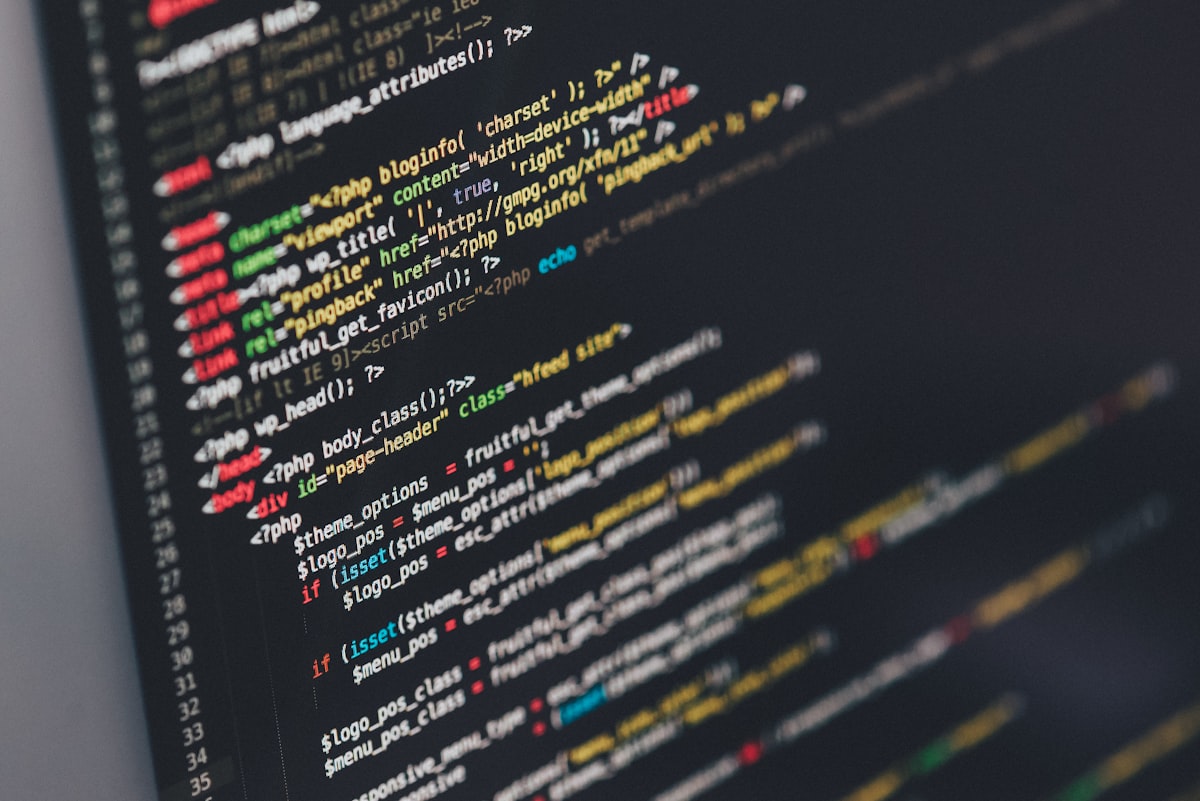
I see the same technical failure repeatedly when I look at websites built by Egyptian agencies. The HTML is rendered entirely by JavaScript — meaning Google arrives at the page, sees an empty shell, and has to come back later with a different process to actually read what is on it. This delay can mean weeks before a page is indexed. For a new website trying to establish organic presence, it means months of zero ranking potential.
The second consistent failure is missing schema markup. Google cannot guess what your business does, where it operates, or whether your reviews are trustworthy. It needs to be told — in a specific technical format, on every page that matters. Most Cairo-built sites have none of this, which means Google ranks them lower than competitors who took the time to implement it correctly.
Third: Core Web Vitals. Google publishes three performance metrics that directly affect rankings — how fast the main content loads, how much the layout shifts during loading, and how quickly the page responds to interaction. WordPress installations with generic themes and fifteen plugins fail these tests systematically. Custom-built, properly optimized sites pass them. The ranking difference is measurable and consistent.
How AI Changes the Build Process
The shift AI brings to web development is not in the design — it is in the speed and precision of getting the technical foundations right. Tools trained on millions of high-performing websites can generate schema markup covering every relevant entity on a page in minutes rather than hours. They can audit heading hierarchies, flag semantic gaps, and identify structural inconsistencies before the site launches. They generate metadata, Open Graph tags, canonical structure, and sitemap logic — correctly, consistently, across every page of a large site.
On a recent build for a corporate client in New Cairo, the schema markup alone would have taken three days to implement correctly by hand across thirty-plus pages. With AI-assisted tooling, it was completed and verified in an afternoon. That time went instead into the decisions no AI can make — the information architecture, the content strategy, the positioning of the site in the competitive landscape.
"AI removes the ceiling on how well the technical execution matches the strategic intent."
— Arecs. Studio
Prerendering: Solving the JavaScript Visibility Problem
The empty-shell problem I described above has a specific technical solution: prerendering. It means building the website in React — giving it all the interactivity and animations that make modern websites feel alive — but generating complete, static HTML files for every page at build time.
When Google arrives at your homepage, it does not see a blank container waiting for JavaScript to execute. It sees a complete HTML document with your headline, your description, your structured data, your internal links — everything readable in under a second. The user gets the full interactive experience. Google gets the document it needs to rank you. Both parties are served correctly, simultaneously.
Ray-Ban used this exact approach on their product pages and saw mobile conversion rates increase by over 100%. The mechanism is the same whether you are an international brand or a studio in Cairo: when content loads fast and is immediately readable, people stay and Google notices.

The Human Part That Does Not Change
I want to be clear about what AI does not do in this process, because the hype around it creates a specific kind of confusion. AI tools do not decide what your website should say. They do not determine your positioning. They do not understand why your services are different from your competitors'. They do not know your clients, your voice, or your story.
The direction of a website — the decisions about what to lead with, what to cut, how to sequence the argument you make to a new visitor — those are still human calls. What AI does is remove the technical ceiling. It means the website we build does not spend three months invisible on Google because of a schema error missed on page twelve or a prerender configuration that was never set up correctly.
The Question to Ask Before You Build
If you are evaluating web development options in Egypt right now, the most important question you can ask a potential agency is not about their design portfolio. It is this: what does my website look like to Google before a user opens a browser? Can you show me the HTML the crawler receives? Can you show me the schema markup? Can you show me your Core Web Vitals scores on past projects?
A good agency answers these questions with specifics and evidence. An agency that has not thought about them answers with screenshots of past designs. Both answers tell you exactly what you are paying for.
"A website that looks good but ranks nowhere is not an asset. It is a liability with a good-looking facade."
— Arecs. Studio
More in Web & SEO